Featured
Essential Things to Ask Before Signing Up Can Be Fun For Everyone
Table of Contents
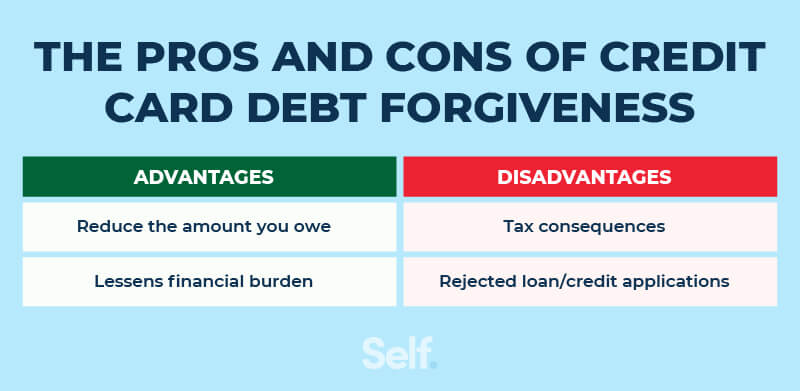
That releases up cash in the short-term, and you may have 3 to 4 years to conserve towards the negotiation amount. Very hazardous to credit rating, largely because of missed payments and a negative "worked out" mark that might remain on your credit scores report for approximately seven yearsMay be only choice if various other alternatives (financial debt combination, equilibrium transfer credit score cards, financial debt mercy) aren't possibleTypically requires a cost to the third event, which can offset some or all of the savings from debt settlementMay assist you prevent bankruptcy if you've missed out on a number of paymentsNot all creditors function with financial debt negotiation business Financial obligation mercy may be right for you if you are experiencing an economic difficulty that makes it nearly impossible to pay down your financial obligation balances.
With a DMP, you make one monthly settlement to the credit score therapy firm. Those funds are then dispersed to lenders of your unsafe financial obligations, such as credit rating cards and installment finances. The firm works with your creditors to reduce passion prices or waive fees, however some lenders might refuse such giving ins.
It can assist you pay down debt if you're able to safeguard a finance price that's reduced than the ordinary price of the accounts you're consolidating. You need to abstain from racking up financial obligation on those recently removed accounts or your financial obligation could grow even higher.
That offers you plenty of time to remove or considerably lower your equilibrium while making interest-free settlements.
Getting My Additional Costs to Avoid To Work
You might need it if your lender or a debt collection agency ever tries to accumulate on the debt in the future. The letter could prove you don't owe what the debt collector's records reveal. Yes, for the most part, the IRS thinks about forgiven financial obligation as taxable earnings. When a lender forgives $600 or more, they are called for to send you Type 1099-C.
Financial debt forgiveness or settlement almost always harms your credit scores. Anytime you resolve a financial obligation for less than you owe, it may appear as "resolved" on your credit scores record and influence your credit rating for seven years from the date of settlement. Your credit score can additionally go down significantly in the months bring about the mercy if you fall behind on settlements.
A Biased View of How Much Bankruptcy Services Generally Cost
This scenario often results from underreporting income, not filing returns on time, or disparities discovered during an IRS audit. The repercussions of accumulating tax obligation financial obligation are serious and can include tax obligation liens, which provide the IRS a legal case to your residential or commercial property as protection for the financial obligation.
Higher passion rates on offered credit report. Wages and Financial institution Accounts IRS can levy (confiscate) incomes and savings account to satisfy the financial debt. Lowered income and interruption of important monetary procedures. Home Seizure In severe cases, the internal revenue service can seize and sell property to cover the debt. Loss of important possessions and potential displacement.
Social Stigma Dealing with lawful activity from the Internal revenue service can bring social stigma. Work Opportunities A bad debt score due to exhaust financial obligation can limit work possibilities. Federal government Benefits Tax obligation financial debt may affect eligibility for federal government advantages, such as Social Security and Medicaid.
See This Report about How Much to Budget for Certified Counseling Help
The OIC takes into consideration a number of variables, including the taxpayer's earnings, costs, property equity, and ability to pay. Effectively discussing an OIC can be complicated, requiring a complete understanding of the IRS's standards and a solid argument for why your offer lines up with your ability to pay. It's essential to keep in mind that not all applications are approved, and the process needs detailed financial disclosure.
The IRS analyzes your general monetary scenario, including your income, expenditures, asset equity, and capability to pay. You should also be existing with all filing and settlement demands and not remain in an open insolvency proceeding. The internal revenue service additionally considers your conformity background, evaluating whether you have a document of timely declaring and paying taxes in previous years.
4 Simple Techniques For What to Know During the Bankruptcy Process
The application process for an Offer in Concession involves a number of comprehensive steps. You need to complete and submit Internal revenue service Type 656, the Deal in Concession application, and Type 433-A (OIC), a collection details statement for individuals. These forms call for extensive financial info, consisting of information regarding your income, debts, costs, and possessions.
Back taxes, which are unsettled taxes from previous years, can dramatically boost your complete internal revenue service financial obligation if not resolved immediately. This financial debt can accrue rate of interest and late repayment penalties, making the original amount owed much larger with time. Failure to repay tax obligations can cause the internal revenue service taking enforcement activities, such as releasing a tax obligation lien or levy against your home.
It is very important to resolve back taxes immediately, either by paying the sum total owed or by setting up a layaway plan with the internal revenue service. By taking proactive actions, you can stay clear of the accumulation of added interest and charges, and stop a lot more hostile collection actions by the IRS.
One usual reason is the idea that the taxpayer can pay the sum total either as a round figure or through a layaway plan. The internal revenue service additionally considers the taxpayer's revenue, costs, possession equity, and future earning possibility. If these elements indicate that the taxpayer can manage to pay more than the supplied amount, the IRS is most likely to decline the deal.
Understanding Bankruptcy Types and Qualifications Can Be Fun For Anyone
Dealing with Internal revenue service financial debt can be complex and challenging. Tax obligation professionals, such as Certified public accountants, tax lawyers, or enlisted representatives, can provide indispensable help.

Table of Contents
Latest Posts
The Single Strategy To Use For Is It Worth vs Going It Alone Approaches

All About Evaluating Debt Forgiveness Organizations in the Industry
See This Report on Market Changes for Debt Forgiveness Solutions
More
Latest Posts
The Single Strategy To Use For Is It Worth vs Going It Alone Approaches
All About Evaluating Debt Forgiveness Organizations in the Industry
See This Report on Market Changes for Debt Forgiveness Solutions